A student's hands on the keys of a grand piano.

New Hampshire and Massachusetts

There are instruments nobody plays.And people nobody plays for.

We put the two together.

Instruments come in — from attics, basements and estates.
Music goes out — students play where people can no longer get out to hear it.
16
Instruments placed with students
5
Performances in senior residences
5
Student volunteers

Since 2021, across New Hampshire and Massachusetts.

Music enriches lives.

A child with an instrument has something that's theirs, that nobody can take away, and that gets better the more they give to it.

Music heals.

It is what people go to when a day has been hard. In a room where the days can pass without much happening, forty-five minutes of live playing changes the afternoon.

Music makes us dream.

Every musician began as someone who heard something and thought: I would like to be able to do that.

Two programs, one idea

Music always ends up somewhere they can't get to.

Music itself is free. Only the instrument costs anything, and only distance keeps people from hearing it played. Two different-looking problems, one answer: move the music — into the house in one direction, into the room in the other.

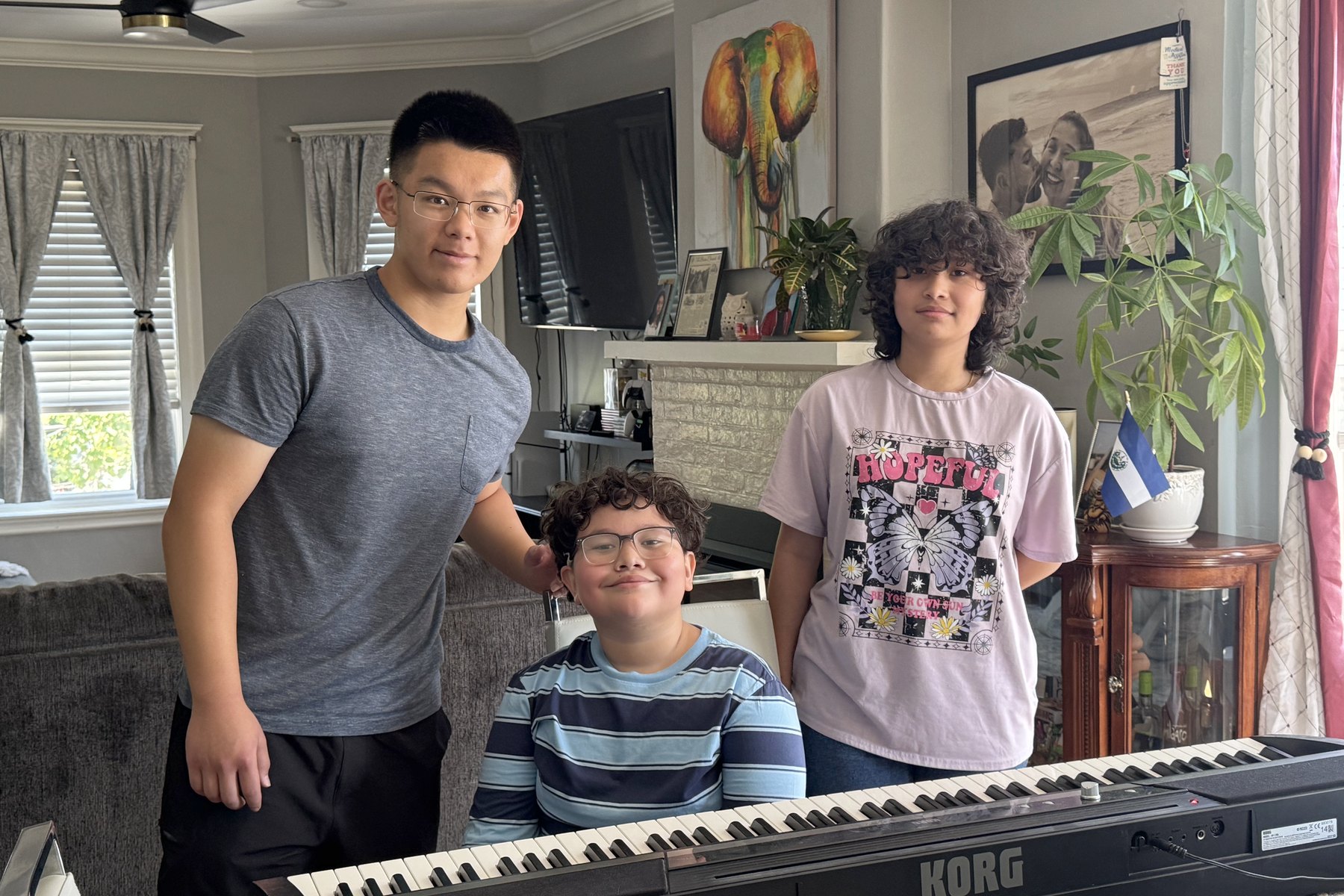
Three young people at home with the digital piano that has just been delivered to them.
Instruments

Second Life

An instrument sits unplayed in more houses than you would guess. With a piano the obstacle was never the price — it was always the stairs. Getting one down them is the hard part, so that is the part we take on.

  • You tell us what you need. We do the hunting.
  • We ask, we haggle, we find the van.
  • We take on the move. Moving it is what kills most piano donations, so we solve that — a donated van, or a mover who does the job for nothing.
  • The instrument is free. For a piano we go and find somebody to cover the move, and if we cannot, we tell you quickly.
See what we've found
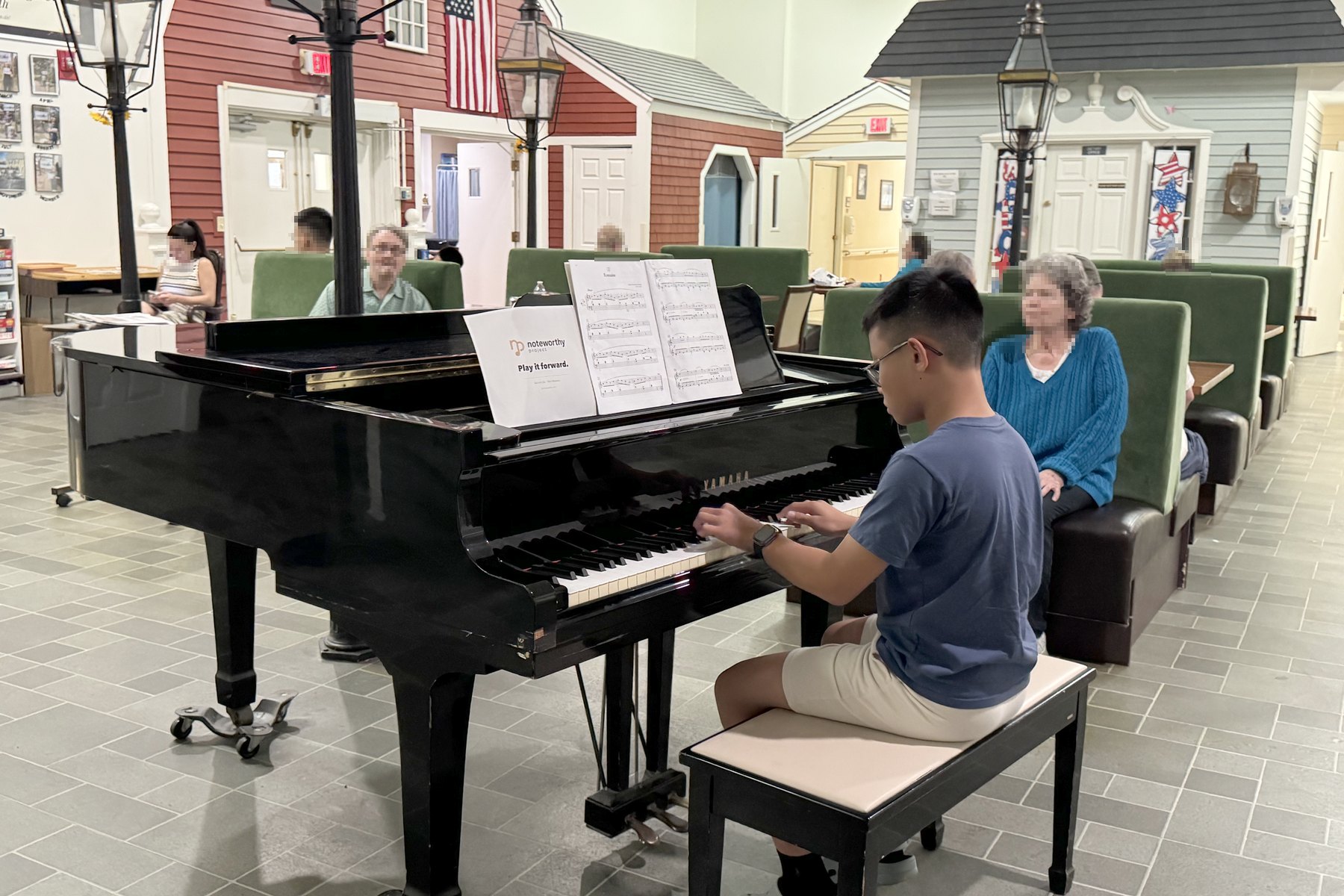
A student playing a grand piano in a residence common room, with people listening from the seating.
Performances

Mini Maestros

Students play in nursing homes and senior residences. Not a recital: at a recital everyone in the room came to hear you, and here you are the one who came. Just an afternoon in a room where people already were.

  • About forty-five minutes. Any instrument. No audition.
  • A parent or guardian chaperones every visit. Students are never in a residence alone.
  • The same students go back, so residents learn their names.
  • Counts toward service hours.
How it works

Getting an instrument

You ask. We go looking.

Most families give up because the search itself is the hard part. That's the part we take over.

Tell us

What, who for, roughly where. Two minutes. No paperwork, no proof of anything.

We search

Students watch listings, estate sales and bulletin boards, then ask outright.

We arrange it

We do the talking with the owner and organize the collection. For a piano that means finding a move we can cover — a donated job, a volunteer with the right van, or someone willing to settle the bill.

It's yours

Delivered and serviced, and it never costs you anything. With a piano we'll say straight away if we cannot find a way to move it. We only ask that it gets played.

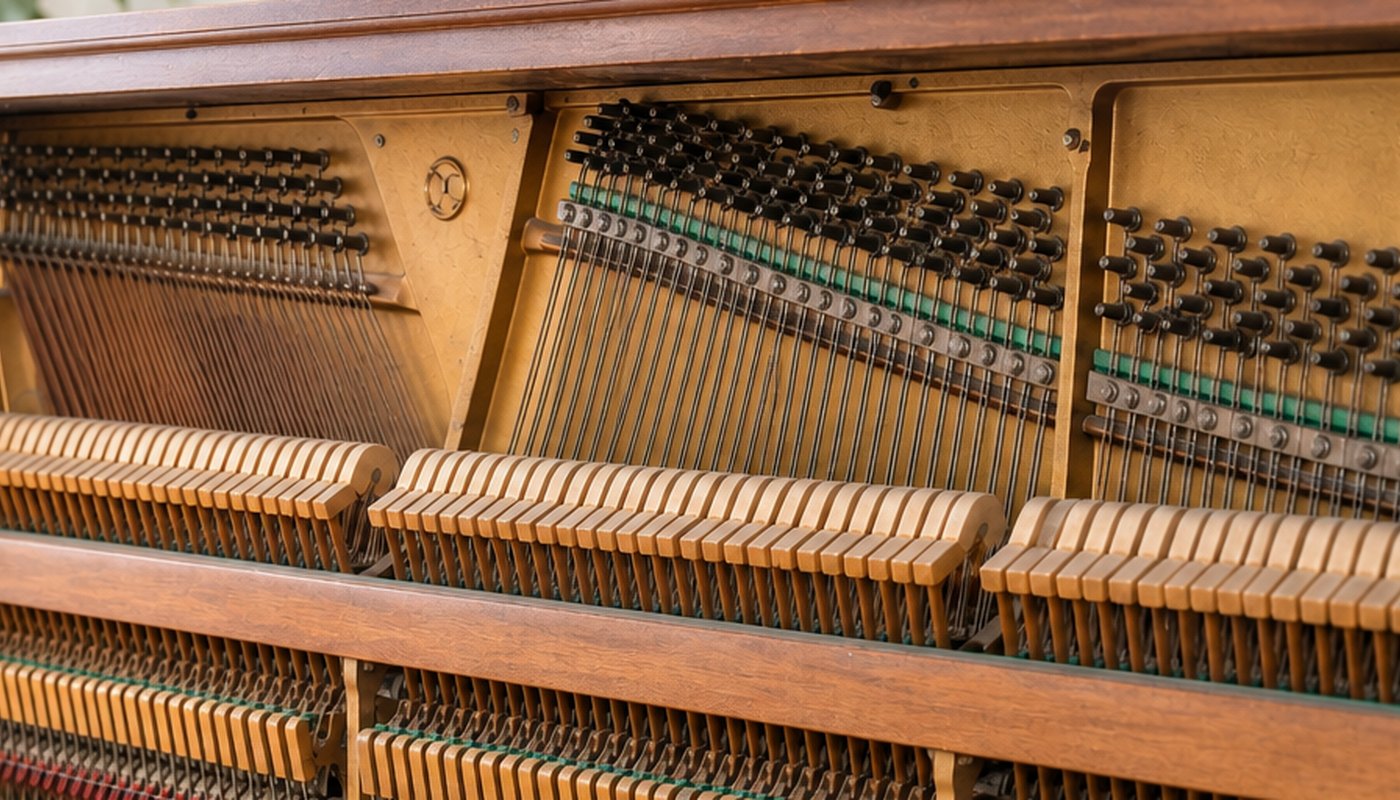
The hammers and strings inside an upright piano.

Music itself is free. It is the instrument that costs.

Second Life

An empty room of chairs facing an upright piano.

Nothing beats live music. Not for the person playing it, and not for the person listening.

Mini Maestros

Why the nursing homes

At a recital, everyone came for you. Here, you came for them — and they will still be talking about it on Tuesday. — Ethan Ng, Director · First Chair
The Noteworthy Project

Play it forward.

Instruments where they’re needed.
Music where it’s missed.